

14 April 2026
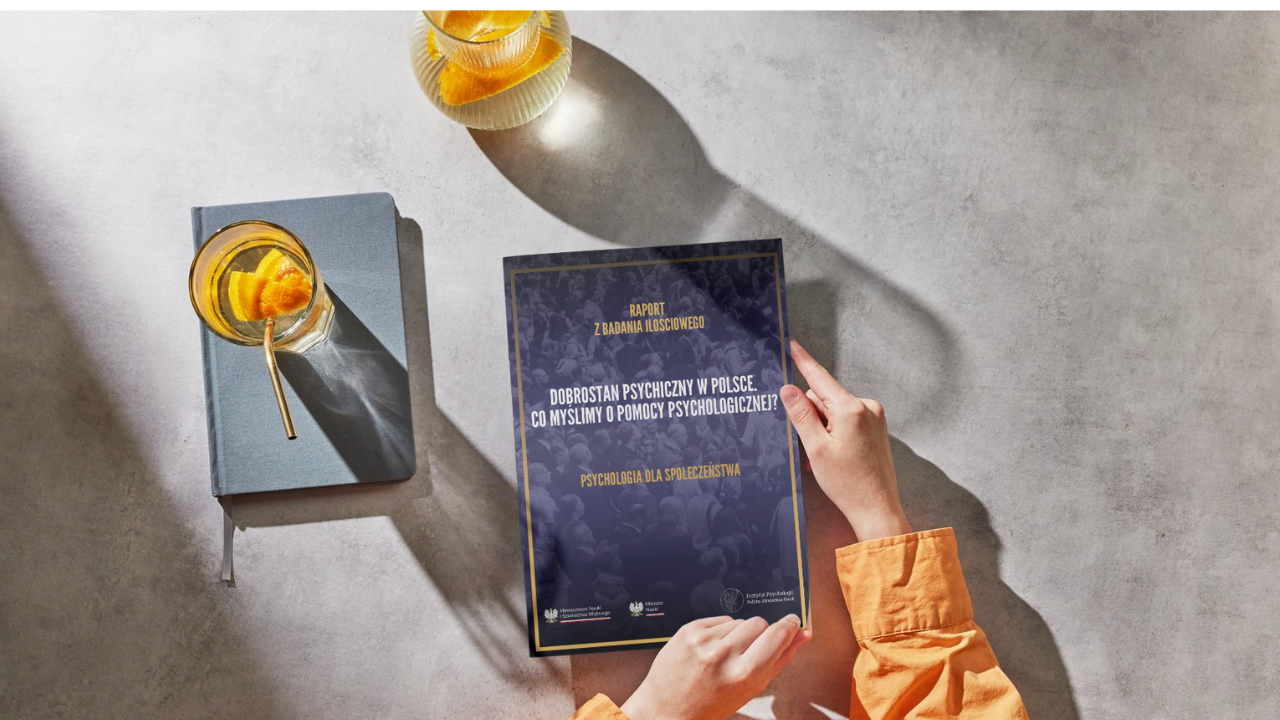
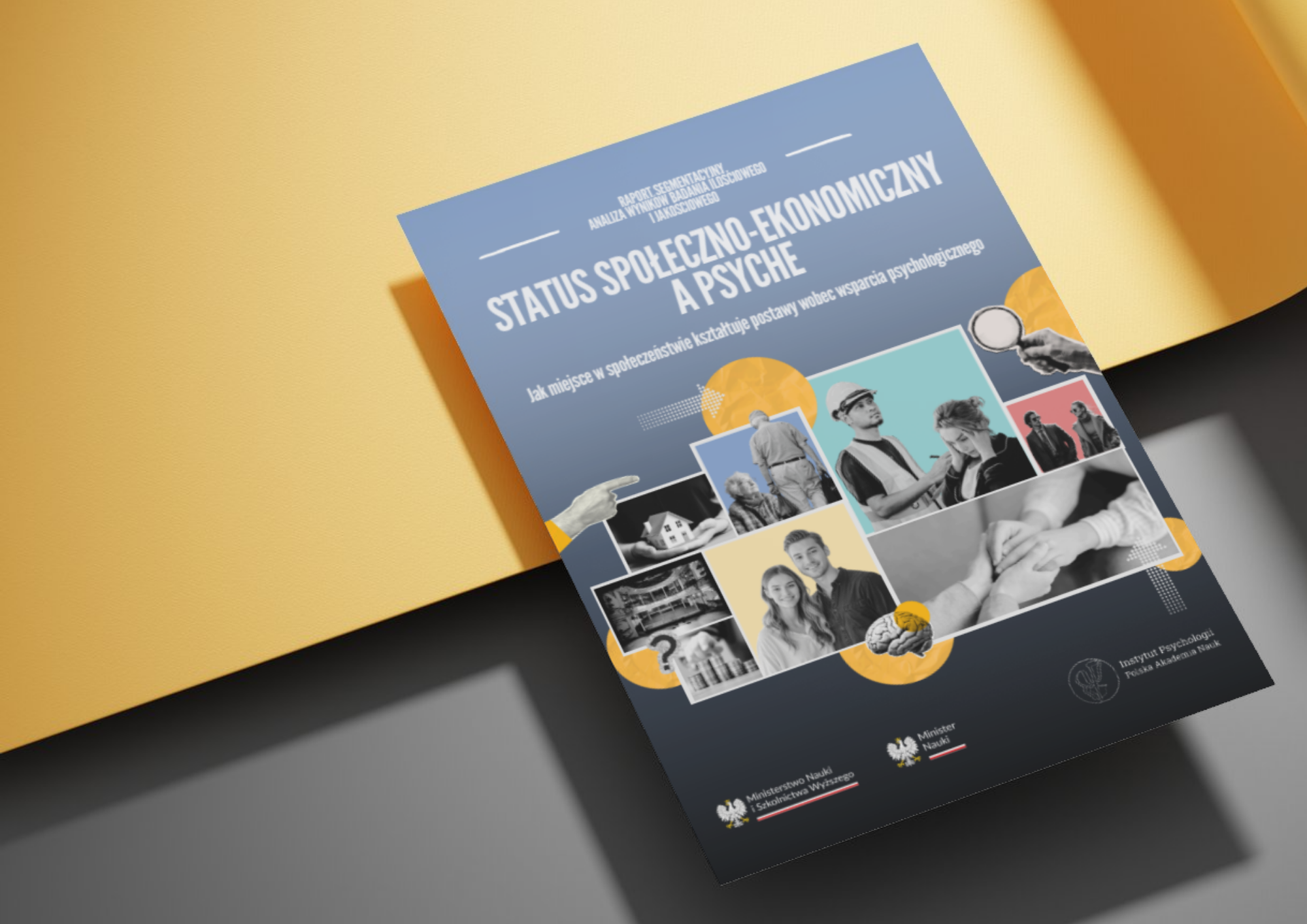
In the latest report prepared by the Institute of Psychology of the Polish Academy of Sciences within the “Psychology for Society” program, we analyze how socio-economic status—combining material, social, and cultural resources—affects the mental well-being of Polish women and men and their attitudes toward seeking psychological help.
Research shows that differences in mental health and willingness to seek professional support are strongly associated with socio-economic status. Individuals with the lowest status (“Survival-Oriented”) more often experience depression, anxiety, and feelings of exhaustion, while at the same time being the least likely to use professional help. The largest group (“Overloaded Achievers”) is in an average material and psychological situation but similarly rarely seeks support—mainly due to the belief that one should cope with difficulties independently. Individuals with higher status (“Uncertain Explorers”) are characterized by relatively good mental well-being and more frequently use professional help, although they are sometimes held back by concerns about social judgment. The highest status group (“Privileged Visionaries”) is associated with the best mental condition, a strong sense of agency, and viewing psychological support also as a form of personal development.
The report clearly shows that mental health in Poland does not depend solely on individual predispositions - it largely reflects socio-economic inequalities. How we feel is linked to access to material resources, support networks, and cultural capital.
The full version of the report is available HERE.
We encourage you to read the full findings and to follow our future research and educational initiatives.
The report was funded by the Minister of Science under the commissioned task entitled “The first part of the research and intervention program: Psychology for Society.”